

.png)
Key takeaways:
- ADHD affects learners’ attention, organization, and task management in ways that can make online learning particularly challenging.
- Several tutoring strategies that blend both familiarity and flexibility can help to make online tutoring easier to navigate for students with ADHD.
- Effective support starts with the individual student. Tutors need to adapt their strategies, environment, and technology to what genuinely supports that student.
The effect of ADHD on learning and online tutoring
Depending on the individual, Attention-deficit/hyperactivity disorder (ADHD) symptoms can make it harder for learners to sustain attention, organize tasks, remember instructions, manage time, or even get started on work.
What’s crucial to note is that students with ADHD will often understand a concept perfectly well, but still struggle to demonstrate it if a task feels overwhelming, repetitive, or difficult to navigate.
These challenges are especially noticeable during online tutoring. A student learning from a laptop is surrounded by potential distractions, from incoming messages and browser tabs to games, social media, and everything else that happens to be living on their desktop. Even if the tutor has their full attention, the student may still battle to maintain that attention for an extended period.
Thankfully, both educational and psychological researchers alike have dedicated decades to exploring these challenges and, more importantly, means for overcoming them.
A seminal review in Reading & Writing Quarterly notes that there are several academic interventions that can improve both academic performance and attention for students with ADHD. These include:
- Peer tutoring
- Task modifications
- Strategy training
- Technology
For tutors, in particular, these findings suggest that academic support will work best when it directly addresses a student’s specific learning challenges. And thankfully, online tutoring gives tutors plenty of opportunities to do this. It just requires a little more intention behind the way a lesson is structured.
Reliable strategies for tutoring students with ADHD online
Good tutoring can be particularly valuable for students with ADHD because it gives them dedicated support, immediate feedback, and an opportunity to work through challenges with someone who can adjust the lesson as they go.
A 2017 study of college students with learning disabilities found that students with ADHD experienced particularly strong academic gains from coaching support. An important point for tutors that the findings emphasize is that students benefit most from support that responds to their specific areas of difficulty.
When tutoring neurodivergent students online, there are a few practical strategies for tailoring your support that can make a meaningful difference.
Creating a predictable lesson structure and routine
Familiarity ensures that students always have a clear idea of what to expect. More importantly, it reduces the mental effort involved in having to figure out what comes next.
Start lessons with ADHD students in a consistent way, such as a quick check-in followed by a review of previous work and an introduction to the day’s goal. It doesn’t need to be completely rigid; so long as the overall rhythm is familiar, you can still flexibly respond to the student’s needs.
Breaking lessons and assignments into manageable chunks
Large tasks will feel overwhelming if a student doesn’t know where they should begin.
To this end, it helps to break longer activities into smaller steps and give the student one clear task at a time. Instead of asking them to complete an entire worksheet, for instance, work through the first few questions together before moving on.
Not only does this make lesson content more digestible, but it also facilitates small wins that create momentum. Finishing one manageable task can make the next one feel way less daunting.

Giving clear, concise instructions in multiple formats
Students with ADHD might lose track of lengthy verbal explanations. This is especially true when you’re attempting to explain several instructions or steps at once.
Always try to keep directions short and specific. Wherever possible, anchor your verbal instructions with something the student can see, like written steps on the whiteboard, a worked example, or a checklist. Asking the student to repeat the instructions in their own words afterward can also reveal whether anything has been missed.
Using visual aids and interactive activities
A screen can be a surprisingly useful teaching surface if the lesson can give the student something to do with it.
Depending on the subject and the student’s interest, you can use diagrams, annotations, examples, quizzes, and other interactive activities to break up periods of passive listening. Switching between activities can also help them stay focused during longer lessons or topics they struggle with more than others.
However, the interactions should always be purposeful. Every tool should have a job to do in helping the student understand or practice the material; if it doesn’t connect directly to what they’re learning, it could be more distracting than useful.
Building in movement and purposeful breaks
As unorthodox as it might seem, your students don’t necessarily need to stay glued to their chair for an entire tutoring session.
For longer lessons, especially for ADHD students with pent-up energy, making time for short breaks or opportunities to move is a boon. They might stand up, stretch, get some water, or step away from the screen for a few minutes to shake out some of their energy before returning to the lesson.
If you’re strapped for time, then you could opt for a change in pace instead. A quick change of activity, a short retrieval exercise, or a hands-on task can still allow them to reset without completely stopping the session.
Reducing distractions in the student’s learning environment
Keeping students with ADHD focused online can be difficult when their learning environment is competing for their attention. They might benefit from closing all unrelated tabs before the lesson, putting their phone away, turning off notifications, or using a quieter space.
Tutors can also help by keeping their own lesson environment visually simple and avoiding unnecessary on-screen clutter.
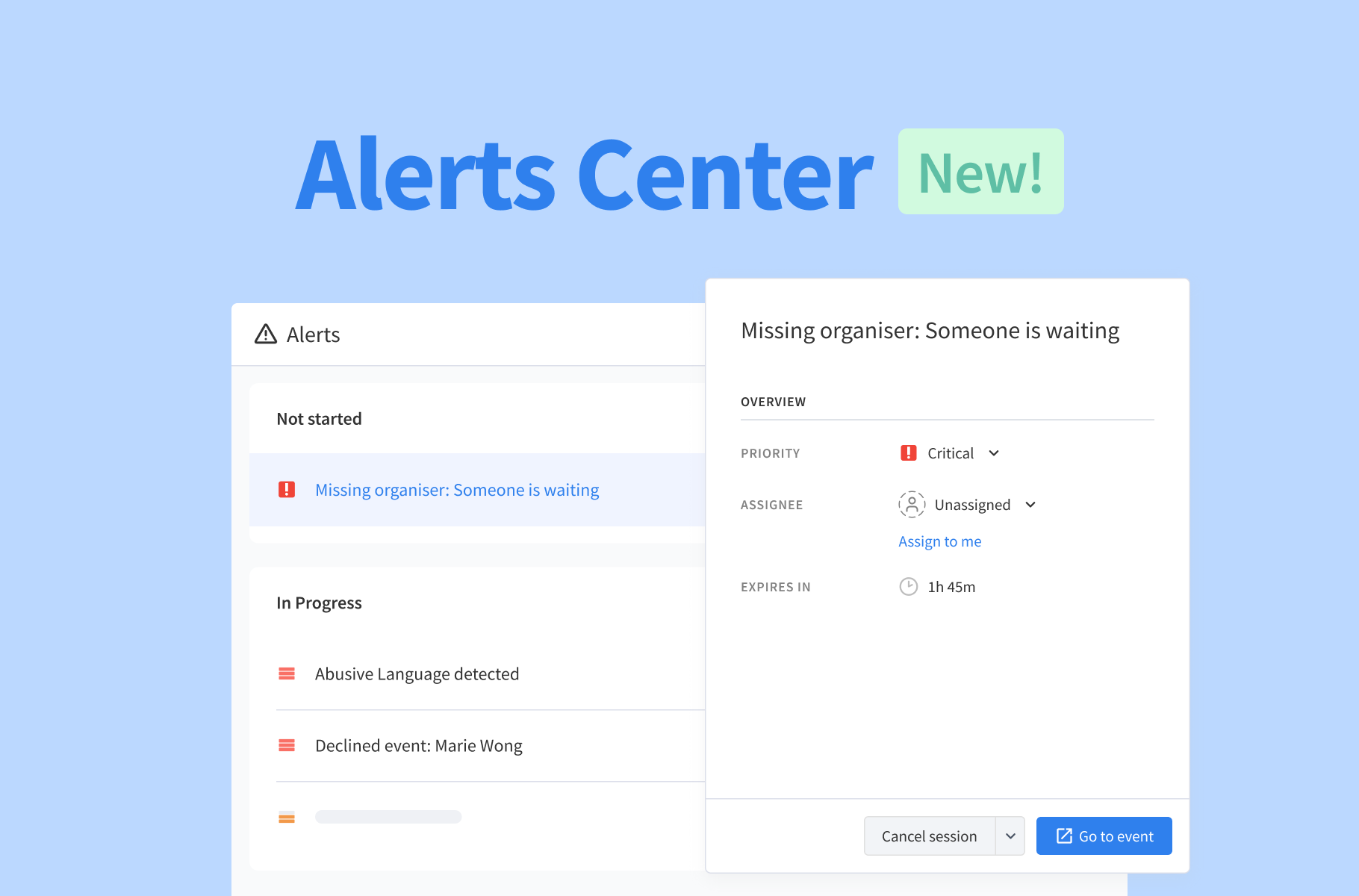
Technology can help here, too. Virtual classroom platforms like Pencil Spaces give tutors tools for monitoring engagement and spotting signs that a student may have become distracted. This gives you helpful indicators to respond to when their attention might be dipping.
Working with parents, schools, and other professionals where appropriate
With the appropriate consent and within your role, communication with parents, teachers, learning support staff, or other professionals can help paint a fuller picture of your student’s current learning needs.
They may be able to share useful information about academic goals, existing accommodations, areas of difficulty, or strategies that have worked elsewhere. Keeping everyone aligned also makes it easier for the student to receive consistent support across different learning environments.

Adapting strategies to the individual student’s needs
Staying flexible is the best thing a tutor can do, given that there’s no one-size-fits-all solution to tutoring students with ADHD online. What helps one of your students concentrate might frustrate or overwhelm another.
It’s important to pay close attention to the moments when your student seems most engaged. Which activities do they respond to, and where do they tend to lose momentum? You might find that one student benefits from frequent activity changes, whereas another prefers longer periods of independent work.
Treat these observations as useful information. The more you understand how a student learns, the easier it is to tailor your approach to fit their unique situation.
Using digital tools for students with learning disabilities
The technology you use can make or break how easy online tutoring feels for both you and your student. However, choosing a tool simply because it has plenty of features can create its own problems.
When tutoring students with ADHD, you need to think about the student’s experience before your own:
- Can they easily find what they need?
- Does the platform make it easier for them to participate, practice, and communicate?
- Can you switch between activities without sending them through five different tabs?
- Does the technology reduce distractions or add more?
The best online tutoring tools should facilitate better teaching while also fitting naturally into the way your student learns. For some students, that might mean a simple whiteboard and clear written instructions. For others, it could mean interactive activities, educational apps, or tools that help you monitor engagement.
Pencil Spaces brings these teaching tools together in one virtual classroom. It offers a shared space for lessons, collaboration, resources, and interactive activities, while also giving tutors visibility into engagement. This can be game-changing when trying to adapt your approach to a student’s needs.
Overall, effective online tutoring for students with ADHD comes down to understanding the individual behind the diagnosis, rather than focusing solely on the diagnosis itself. Give them structure without making the lesson rigid, keep tasks manageable, make participation active, and pay attention to what helps them learn best.
Pencil Spaces gives online tutors the tools to put those strategies into practice in one virtual classroom. Try Pencil Spaces for free, or book a free demo to see how it can support your tutoring.